



 By
By We are proud to support the 16th annual Gas Safety Week, taking place from 14th–20th September 2026. This year’s theme, Take No Chances, is a timely reminder for landlords to stay on top of their gas safety responsibilities and act before small issues become serious risks.
Coordinated by Gas Safe Register, the official list of engineers legally qualified to work on gas, Gas Safety Week brings organisations and individuals together to raise awareness of gas safety and the practical steps that help protect homes, tenants and communities.
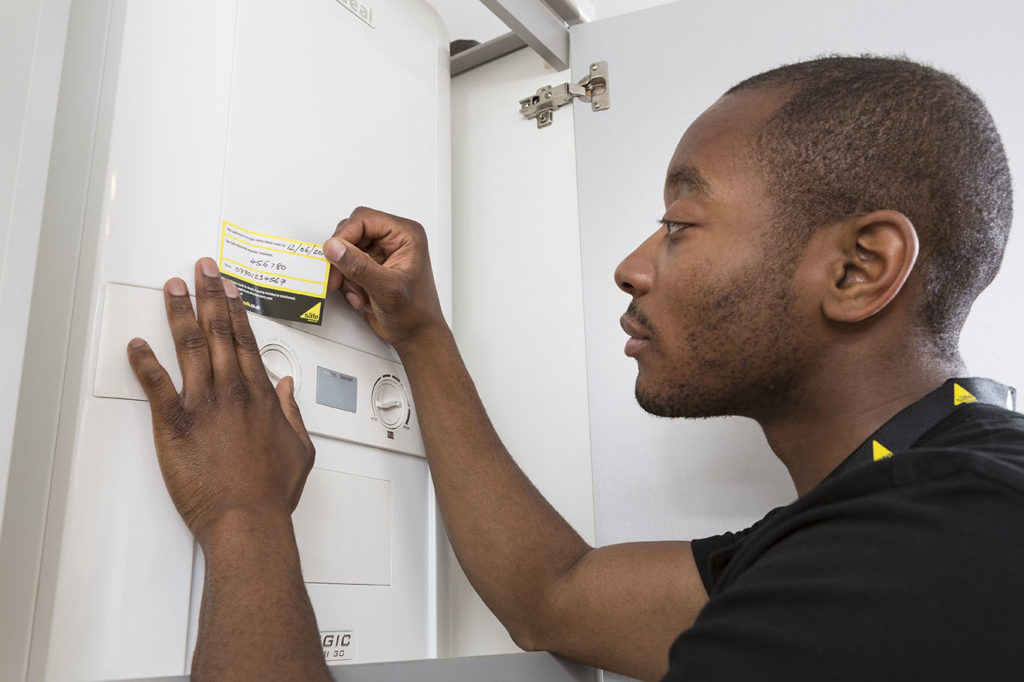
For landlords, taking no chances means keeping safety checks up to date, responding quickly when something does not seem right, and making sure any gas work is carried out by someone qualified and Gas Safe registered. Taking the right action helps protect your property and the people living in it from risks such as gas leaks, fires, explosions and carbon monoxide (CO) poisoning. CO is known as the silent killer because it is highly poisonous and has no smell, taste or colour.
Landlords Legal Responsibilities
As a landlord, you have a legal duty to help keep your tenants safe. That means making sure the following responsibilities are met:
Safe conditions
- Gas pipework, flues and appliances provided for tenants’ use must be maintained in a safe condition.
- All gas appliances and flues provided for tenants’ use are safety checked every year and a Gas Safety Record issued.
Record keeping
- You must provide a copy of the Gas Safety Record to the tenant within 28 days of completing the check or to any new tenant before they move in. Tenants can report landlords to the Health and Safety Executive (HSE) if it is not provided.
- You must keep a copy of the Gas Safety Record until two further checks have taken place.
Maintenance and annual safety checks
- Maintenance and annual safety checks must be carried out by a qualified Gas Safe registered engineer. You can check if an engineer is registered and what they are qualified to work on by visiting the Gas Safe Register website. It is also good practice to encourage tenants to check the engineer’s Gas Safe ID card when they arrive at the property.
- All gas equipment, including any appliance left by a previous tenant, must be safe or removed before the property is re-let.
Carbon Monoxide Alarms
- A carbon monoxide alarm must be fitted in every habitable room of a rental property that contains gas appliances, excluding appliances used only for cooking. As a landlord, you are required to check and test that carbon monoxide alarms in the rental property are working on the day any new tenancy begins.
- Before purchasing a CO alarm, always ensure it complies with Standard EN 50291 and carries an approval mark, such as a Kitemark. Check the manufacturer’s recommendations about how you should fit and test your alarm to ensure that it’s in good working condition.
This Gas Safety Week, Take No Chances. By keeping gas safety checks up to date, using a Gas Safe registered engineer and making sure alarms are working, you can meet your legal responsibilities and help protect your tenants.
Brooklyn Coburn, Trade Manager, Gas and HVAC services, property maintenance company, Aspect, comments on the importance of gas safety awareness for landlords:
“Gas Safety Week is a timely reminder of gas safety, particularly as colder weather approaches and thousands of students move into rented homes for the new academic year.
Gas safety is about more than having the required Gas Safety Record and appropriate alarms in place. Landlords shouldn’t assume tenants understand gas safety. Make them aware of which appliances use gas, whether it’s the boiler, cooker or gas fire, reassure them that appropriate servicing and maintenance is in place, and explain how to use each safely, referring to manufacturer’s instructions where needed.
Tenants should also know where the emergency control valve is, how individual appliances can be isolated and who to contact if something seems wrong.
Clear labelling, straightforward instructions and a proper handover can make a real difference. Taking time at the start of a tenancy to explain gas safety arrangements means tenants are better equipped to recognise problems and know what to do in an emergency.”

For gas safety advice, or to find or check a Gas Safe registered engineer, visit GasSafeRegister.co.uk or call the free helpline on 0800 408 5500.

















Comments