



 By
By With Local Elections set for Thursday, 7 May 2026, we take a look at what impact it will have on the housing market.
On Thursday, 7 May 2026, local elections will be held for 4,851 council seats across 134 of England’s 317 councils. Shadow elections will also take place for two new unitary authorities, which are set to be created in Surrey in 2027.
With the local elections taking place next week, we are taking a closer look at how the competing political parties plan to tackle the housing market.
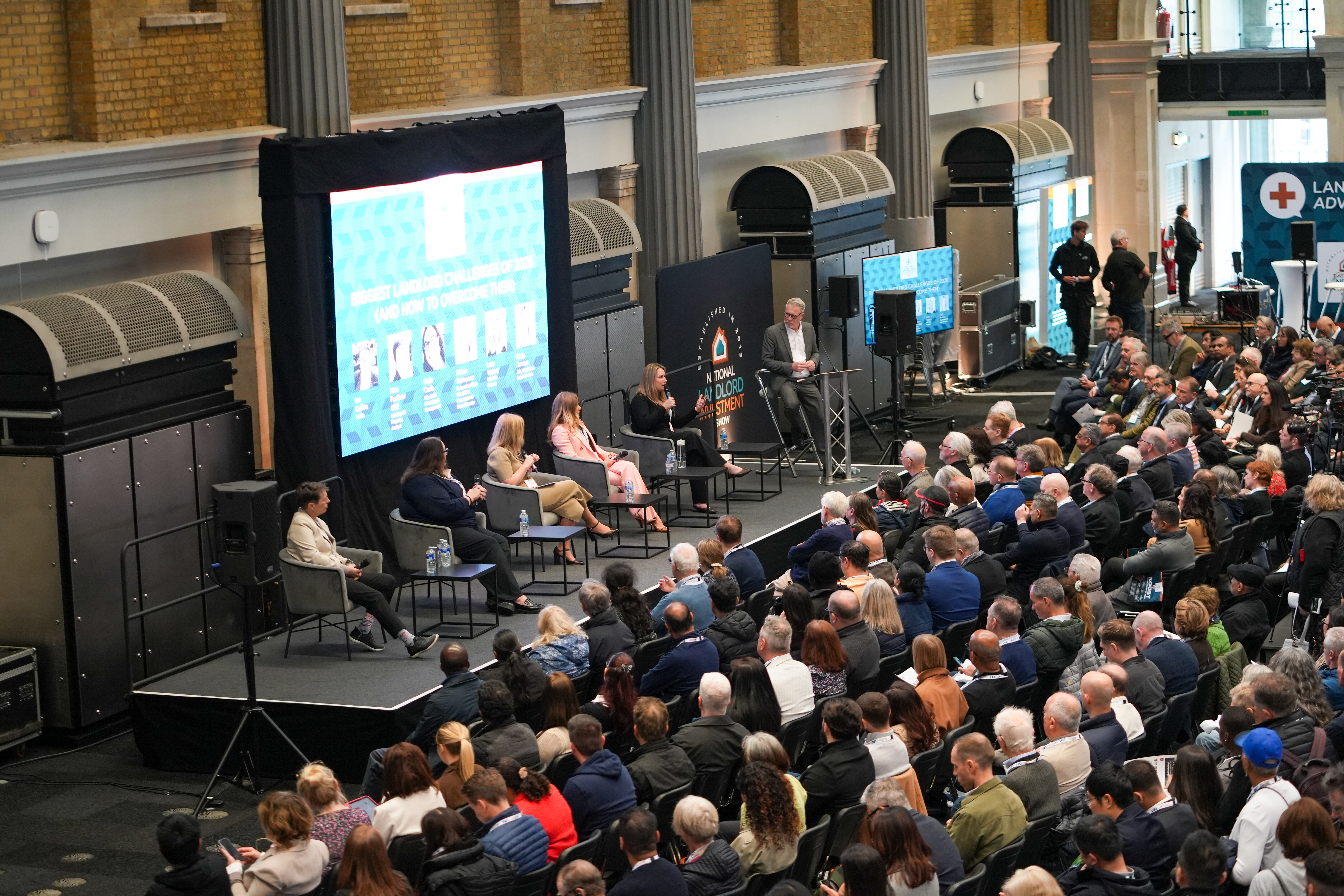
As we look ahead to our upcoming National Landlord Investment Shows, this analysis focuses specifically on the regional battlegrounds where our next events take place: London, Birmingham and Manchester.
London
All 32 London Boroughs will head to the polls, each grappling with a distinct set of housing challenges, including rising private rents in the centre, and the preservation of the Green Belt in the outer suburbs.
As it stands, the Labour Party holds a dominant position, controlling 21 of the 32 councils. However, analysis from the Centre for Cities and recent YouGov MRP polling suggests a highly fragmented landscape for May 7th.
Experts anticipate a squeezed result for the major parties, with the Green Party expected to make gains in inner-city boroughs and Reform UK gaining some momentum in outer boroughs.
In an article published on BBC News, BBC London asked the major political parties what their top housing priorities were ahead of the local election.
Here’s what they had to say:
Labour
- £11bn boost to build social and affordable housebuilding in the capital
- Back renters with the Renters’ Rights Act banning no-fault evictions, clamping down on unfair rent hikes and driving up standards in repairs
- Reform planning and leasehold, ending the feudal model, cutting red tape that blocks new homes
Conservatives
- Hold London Mayor Sadiq Khan to account for failing to meet housing targets
- Prioritise the delivery of more family homes across the capital
- Protect London’s green belt by focusing development on brownfield sites
Green Party
- Build the genuinely affordable homes needed – family-sized social housing, not tiny, overpriced “luxury” flats
- End the cosy relationship between councils and developers/lobbyists that puts developer interests ahead of residents’ interests
- Empower councils to push the central government to grant the right to implement rent controls
Liberal Democrats
- Build more new homes, including social homes, to end the housing crisis
- Ensure homes are accessible for everyone in London, including those with disabilities
- Make sure that with new homes comes infrastructure and services like GPs and schools
Reform UK
- Get young Londoners onto the housing ladder
- Expedite planning decisions and remove unnecessary requirements on developments
- Ensure that British citizens, veterans and those with strong local connections are prioritised for social housing
2026 Local Elections
Beyond the capital, the housing market remains a hot topic, with many parties seeking to address voters’ concerns and address supply shortages, rising rents, and the challenge of Net Zero housing.
Manchester
With only a third of seats up for election, Labour will be confident of retaining control of Manchester City Council. However, the Greens will hope to see gains following their win in the Gorton and Denton by-election.
As it stands, Manchester City Council is entering this election with an ambitious 10-year strategy (2022–2032) which is already in motion. The strategy aims to:
- Build 36,000 new homes by 2032, with 10,000 of those designated as affordable.
- Target empty homes, aiming to bring long-term vacant properties back into use to house the 11,500+ households currently on the high-priority housing register.
- Project 500 uses smaller council-owned brownfield sites to deliver 100% affordable housing schemes, often at social rent levels.
Positioning housing as a solution to the cost-of-living crisis, the Manchester Green Party are pledging to deliver energy-efficient homes to lower utility bills. Their platform focuses on heavy investment in social housing and a commitment to making rents “truly affordable” for the city’s residents.
The Manchester Liberal Democrats are framing their 2026 campaign around the core values of ‘equality and opportunity.’ Their housing plan focuses on a three-pronged approach: campaigning for genuinely affordable housing, ensuring that new residential developments include high-quality green spaces, and improving the immediate environment by ‘cleaning up the streets’ to support existing residents.
Reform UK is campaigning to bypass planning hurdles through radical deregulation, aiming to fast-track brownfield development across Greater Manchester. Their “local-first” policy would prioritise social housing for British citizens, veterans, and long-term residents.
Birmingham
Labour has been in power in the UK’s second city for 14 years; however, with the unresolved bin strike alongside council bankruptcy, Birmingham may be on course for a political shake-up come polling day on 7 May 2026.
As it stands, the Birmingham Labour Party’s key pledges include:
- A commitment to spend £346 million building 2,708 homes by 2029, with a pledge to double the delivery of social rent homes across the region every year
- Utilising a share of the government’s £950 million homelessness funding (available from April 2026) to phase out the use of poor-quality B&Bs and temporary accommodation for families
- Rolling out a “Decent, Warm Homes” plan to retrofit council stock, improving energy efficiency and fixing repairs to lower resident utility bills
- Strengthening enforcement in the private rental sector and allocating an additional £1 million to regulate exempt accommodation and improve standards for vulnerable tenants
Birmingham Local Conservatives are campaigning on a heritage and family platform, aiming to reshape the city’s aesthetic and housing density. On their website, the party’s pledge includes:
- Restoring family housing and improving standards: The party pledges to prioritise family housing, restrict the spread of HMOs and exempt accommodation, by starting to buy up exempt accommodation and HMO properties and convert back to family housing, and improve standards across council housing
- Changing planning polices to ensure new housing is in keeping with the character of the city, reflecting our parts of our Georgian, Edwardian and Victorian heritage and favour attractive design through gentle density for the City Centre rather than bland towers
Birmingham Green Party is campaigning on a platform of rapid improvement for both council and private tenants, focusing on safety, warmth, and fairness. Their key pledges include:
- A support package for more community-led housing projects
- Restart large-scale council house building in Birmingham
- All existing council homes to meet decency standards by 2030 (instead of 2032)
- Stronger rules for HMOs and exempt accommodation landlords from government
- Bigger private rental and supported exempt accommodation teams to tackle bad landlords
- All housing developments in Birmingham are to have 25% genuinely affordable social rent as a target in Birmingham’s Local Plan
Birmingham Liberal Democrats are championing a back-to-basics approach that prioritises the quality of existing homes and the preservation of family housing. Their key pledges include:
- Maximise the impact of the work to retrofit our Council housing stock, ideally in tandem with the decency work
- Resist further conversion of family homes to HMOs and only allow new HMOs where a very specific local case can be made
- Speed up the process of building social housing, which we would prioritise over so-called ‘affordable housing’, which is often not affordable to those in housing need
In Birmingham, Reform UK plans to tackle the housing shortage by cutting red tape to accelerate private sector construction on the city’s brownfield sites. They are also calling for stricter eligibility for social housing, proposing that access be restricted to those with a proven long-term residency and a clear local connection.
According to the YouGov website, the Greens are likely to see big gains in Birmingham, suggesting it will be a close three-horse race between them, Labour and Reform UK.
Impact of Local Elections on the Housing Market
The results of the 7 May 2026 elections will do more than just change the names on council doors; they will dictate the regulatory and economic environment for the UK property market.
For landlords and investors, these local decisions on planning, retrofitting, and rent controls will have a direct impact on yields and portfolio management for years to come.
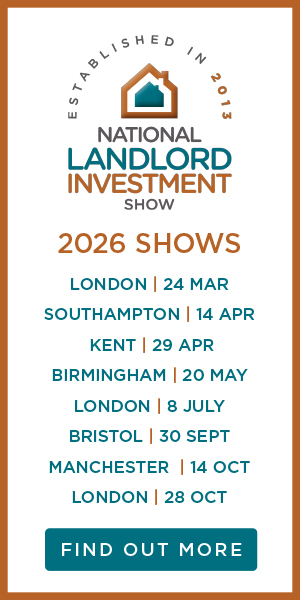
Navigating these changes requires more than just local knowledge; it requires expert insight and the right professional connections. Stay ahead by registering for your free ticket to the National Landlord Investment Show, where you can hear from industry experts and get your questions answered in person.











Comments